The Science Behind Wireless Charging: How It Works and Its Benefits
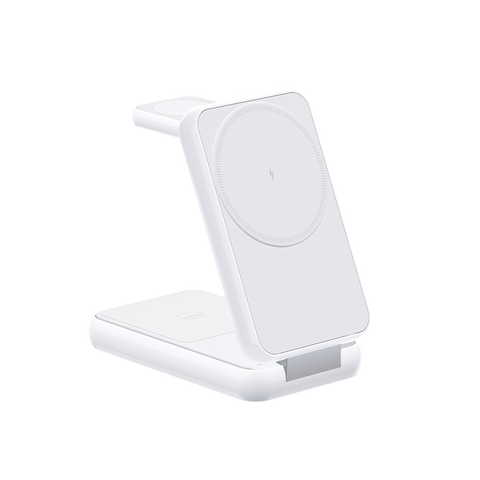
The science behind wireless charging revolves around an innovative technology called induction charging, which uses electromagnetic fields to transfer energy between two objects. This process generally involves a charging pad or station, which generates an alternating electromagnetic field. When a device equipped with a compatible receiver, such as a smartphone, is placed on the pad, the electromagnetic field induces a current within the device’s receiver coil. Consequently, this current is converted back into electrical energy, allowing the device to recharge without the need for physical cables.
Among the numerous benefits of wireless charging, convenience stands out as a primary advantage. Users can easily charge their devices without fumbling with cords, making it a user-friendly option for everyday life. Additionally, wireless charging minimizes wear and tear on charging ports and cables, potentially prolonging the lifespan of your device. Moreover, the technology is paving the way for advancements in smart home systems and electric vehicles, enhancing overall accessibility and energy efficiency in modern living.
Counter-Strike is a highly popular first-person shooter series that pits teams of terrorists against counter-terrorists in strategic gameplay. It emphasizes skill, teamwork, and tactics, making it a staple in competitive gaming. As players dive into the action, they might also be interested in the Top 10 magsafe power banks for their gaming setups, ensuring they stay powered up during intense matches.
Top 5 Ways Wireless Charging is Transforming Your Everyday Life
Wireless charging has become a game-changer in the realm of technology, streamlining how we power our devices. One of the most significant benefits is the elimination of tangled cords and the hassle of plugging in your devices. Instead, you simply place your smartphone or smartwatch on a charging pad, and it begins to charge automatically. This convenience not only saves time but also reduces wear and tear on the charging ports of your devices, making them last longer.
Furthermore, wireless charging is enhancing our productivity by allowing us to power up our gadgets without interrupting our activities. For example, with wireless charging pads integrated into furniture like desks and nightstands, you can charge your phone while working or relaxing without missing a beat. This seamless integration into our environment helps us stay connected and productive without the clutter of wires.
Is Wireless Charging Safe? Debunking Myths and Answering Your Questions
Wireless charging has gained immense popularity in recent years, prompting many users to question its safety. One of the most common myths is that wireless charging emits harmful radiation. However, studies have shown that the levels of electromagnetic fields produced by wireless chargers are well below the safety limits set by global health organizations. In fact, the World Health Organization (WHO) notes that wireless charging technology does not pose a significant health risk to users. The process relies on inductive charging, which uses electromagnetic fields to transfer energy between the charger and the device, making it both convenient and safe for everyday use.
Another concern users often have is the impact of wireless charging on battery lifespan. Some believe that the technology leads to overheating, which could damage the device over time. While it's true that heat is a factor in battery longevity, most modern devices come equipped with advanced thermal management systems that prevent overheating during wireless charging. A recent study indicates that when used properly, wireless chargers can be as effective as traditional chargers in maintaining battery health. To ensure optimal performance, it's important to use compatible chargers and follow manufacturer guidelines.