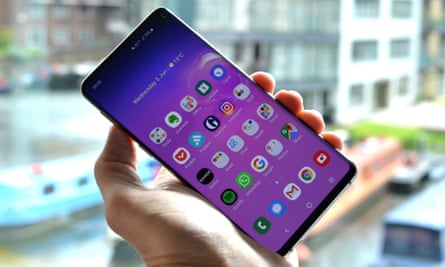
How Smartphones Have Transformed Our Daily Routines
The advent of smartphones has undeniably transformed our daily routines. These powerful devices serve as our alarm clocks, personal assistants, and entertainment hubs, streamlining various aspects of our lives. For instance, most individuals begin their day by checking notifications on their smartphones, engaging with social media, and planning their schedules. The ability to set reminders, manage calendars, and access emails all on one device has made it easier than ever to stay organized and informed. According to recent studies, over 80% of people use their smartphones for daily planning and task management, showcasing their pivotal role in maintaining productivity.
Moreover, smartphones have revolutionized how we communicate and interact with others. Text messaging, video calls, and social networking apps have replaced traditional forms of communication, enabling instant connectivity regardless of geographical barriers. This shift has redefined our social interactions, allowing us to maintain close relationships with friends and family in ways previously unimaginable. Additionally, through smartphones, we can access a wealth of information on-the-go, from news updates to tutorial videos, further enriching our knowledge and enhancing our daily routines. In conclusion, it is evident that smartphones have not only simplified our communication but also enriched our personal and professional lives.
Counter-Strike is a popular first-person shooter video game series that pits teams of terrorists against counter-terrorists in a battle to complete objectives such as planting or defusing bombs and rescuing hostages. Players can enhance their gaming experience with various accessories and gadgets, including the Top 10 iphone leather cases for better device protection while gaming on the go.
The Essential Features of Smartphones That Make Life Easier
In today's fast-paced world, smartphones have become an indispensable tool that enhances our daily lives. The **essential features of smartphones** that make life easier include a powerful camera, reliable battery life, and access to a plethora of applications. High-quality cameras allow users to capture moments instantly, whether it’s a family gathering or a scenic view during a vacation. Moreover, with features such as zoom, night mode, and AI enhancements, users can take stunning photographs without needing a professional camera. Additionally, an extended battery life ensures that your device keeps up with your busy schedule, allowing for seamless usability throughout the day.
Another crucial aspect that contributes to the ease of life offered by smartphones are their connectivity options and smart assistants. With features like NFC, Bluetooth, and Wi-Fi connectivity, smartphones enable quick file sharing and seamless connections to other devices. Furthermore, voice-activated smart assistants such as Siri or Google Assistant allow users to perform tasks hands-free, making activities like setting reminders or sending messages more convenient. An intuitive user interface combined with the ability to customize apps and widgets ensures that users can navigate their smartphones effortlessly. These features collectively embody how **smartphones** have revolutionized modern living.
What Would Life Be Like Without Smartphones?
Imagine a world where smartphones never existed; our daily lives would undergo significant changes. Communication would revert to more traditional methods, like face-to-face conversations or written letters, making us more present in our interactions. Without the constant distractions of social media notifications or instant messaging, people might find themselves engaging in deeper, more meaningful conversations. However, this shift could also lead to a feeling of isolation as staying connected with friends and family would require more effort and planning.
In the absence of smartphones, the way we access information would also change dramatically. People would rely on newspapers, books, and other physical media to stay informed, resulting in a potentially slower pace of news consumption. While this might encourage more in-depth understanding and critical thinking, it could also limit our access to real-time updates on current events. Furthermore, navigation would require physical maps or asking for directions, making spontaneous travel less convenient but perhaps more adventurous, as we re-learn how to explore the world around us.