The Science Behind Audio Quality: How It Affects Your Listening Experience
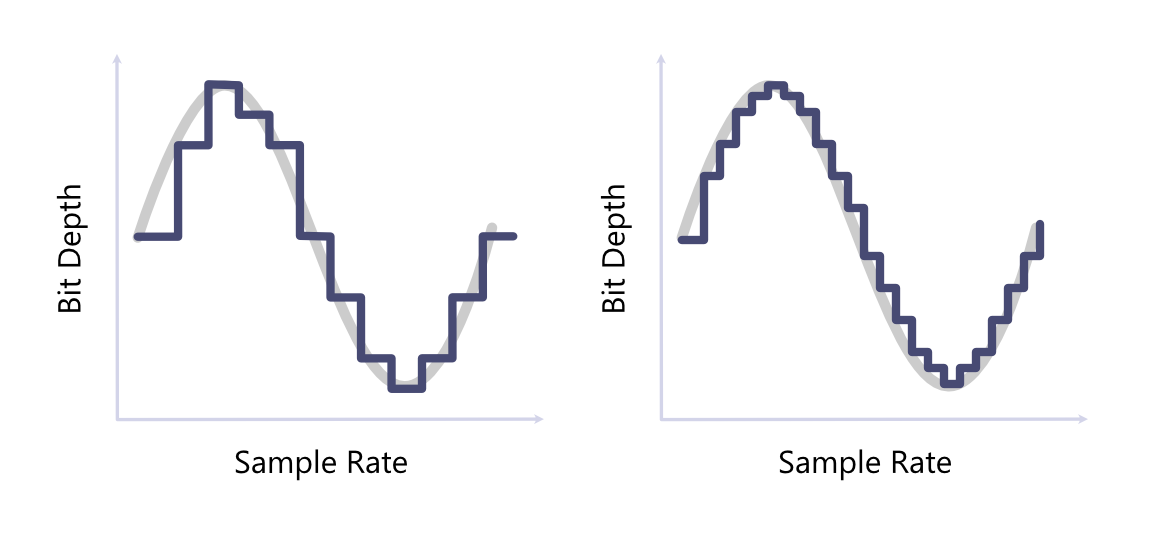
The science behind audio quality is a fascinating intersection of physics, psychology, and technology that plays a crucial role in how we experience sound. At its core, audio quality refers to the fidelity of sound reproduction and how accurately it captures the original audio signal. Key factors influencing audio quality include bitrate, sample rate, and dynamic range. Higher bitrates and sample rates typically result in clearer and more detailed sound, allowing listeners to appreciate the nuances in their favorite music or movies. Additionally, dynamic range—the difference between the quietest and loudest sounds—enhances the listening experience, adding depth and richness to the audio.
Our perception of audio quality is not merely a technical specification; it heavily relies on individual preference and the context in which we listen. Studies have shown that acoustics, speaker placement, and even the listening environment can significantly affect how we perceive audio quality. For instance, a well-tuned room can elevate the listening experience, allowing intricate details to emerge that might otherwise go unnoticed. Moreover, personal factors such as age, hearing ability, and even psychological states contribute to our perception of sound. By understanding the science behind audio quality, we can make more informed choices about our audio equipment and create environments that enhance our overall listening experience.
Counter-Strike is a tactical first-person shooter game where teams of terrorists and counter-terrorists engage in objective-based gameplay. It has become a benchmark in competitive gaming, inspiring a thriving esports community. If you're looking to enhance your gaming experience, check out the Top 10 Earbuds for Zoom Calls which can also improve communication during intense matches. The game continues to evolve, attracting both casual and professional gamers alike.
Top 5 Reasons Why You Should Invest in High-Quality Audio Equipment
Investing in high-quality audio equipment can significantly enhance your listening experience whether you're an audiophile, a casual listener, or a professional. One of the top reasons to consider upgrading your audio gear is sound clarity. High-quality audio equipment is engineered to reproduce sound more accurately, providing crisp highs, rich mids, and deep bass that cheaper alternatives often fail to deliver. This level of sound fidelity can make a substantial difference, enabling you to appreciate the nuances and details in your favorite music, movies, or podcasts.
Another compelling reason to invest in premium audio equipment is durability. Quality audio gear is built to last, often constructed with better materials and superior craftsmanship. This means you're less likely to experience wear and tear over time, resulting in a longer lifespan for your investment. Additionally, high-quality brands often offer warranties and customer support that can further protect your investment. In the long run, investing in top-notch audio equipment saves you money by reducing the need for frequent replacements.
Is Your Music Missing Something? Understanding the Importance of Audio Fidelity
When you listen to music, have you ever felt that something is just not right? It might not be the melody or the lyrics, but rather the quality of the sound itself. Audio fidelity refers to the accuracy and quality of sound reproduction, which plays a crucial role in your overall listening experience. High fidelity audio captures the nuances of the instruments, vocals, and sound staging, allowing listeners to immerse themselves fully in the music. If your tracks sound flat or overly compressed, it could detract from the emotional impact and the subtle intricacies that make a song special.
Understanding the importance of audio fidelity means recognizing the different factors that contribute to sound quality. These include sample rates, bit depth, and the type of equipment used for playback. For instance, a high-quality digital audio format can significantly enhance the listening experience, while inferior formats may result in a loss of detail. By investing in better production techniques and refining your audio files, you can ensure that your music resonates authentically with your audience, ultimately leading to a more profound connection and appreciation for your art.