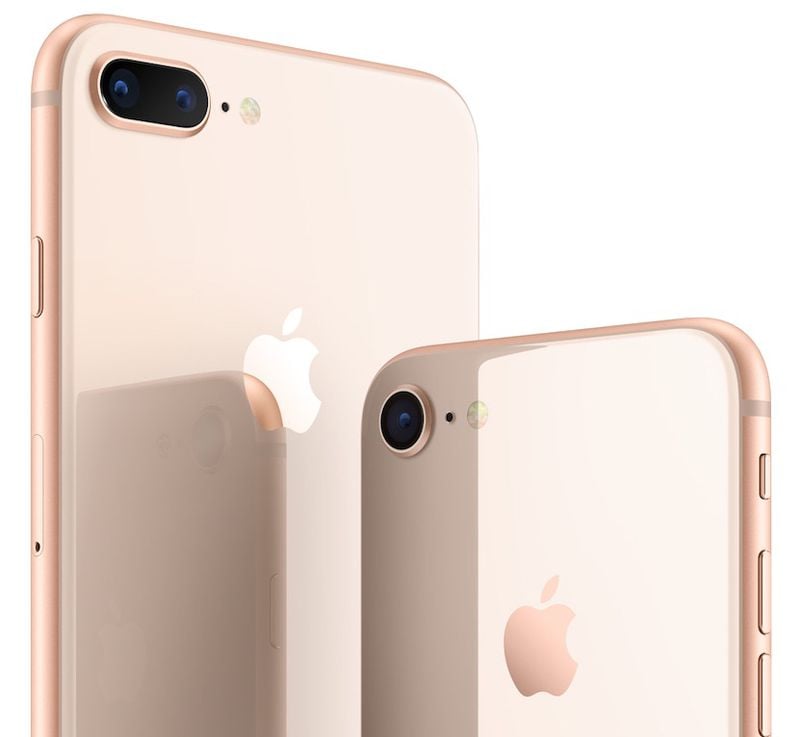
The iPhone Phenomenon: How Apple's Design Became a Social Indicator
The iPhone phenomenon is more than just a technological advancement; it represents a significant shift in social behavior and identity. Launched in 2007, Apple's device quickly transcended its functionality as a mere mobile phone, evolving into a versatile tool for communication and expression. With its sleek design and intuitive interface, the iPhone garnered a loyal following, making it a status symbol for millions. As such, owning the latest model has become an essential aspect of modern social dynamics, where individuals often judge one another based on the devices they carry.
This newfound reliance on the iPhone has cultivated an environment where appearance and accessibility drive social interactions. The design aesthetics of Apple products, characterized by minimalism and elegance, have also set trends in various industries, influencing everything from fashion to interior design. As a result, the iPhone is not just a gadget; it has evolved into a cultural touchstone that shapes perceptions of success and sophistication, making it a critical element in today’s social narrative.
Counter-Strike is a popular tactical first-person shooter game that emphasizes team play and strategy. Players can choose to play as terrorists or counter-terrorists, engaging in various game modes such as bomb defusal and hostage rescue. For gamers looking to enhance their mobile gaming experience, check out the Top 10 iphone car mounts for optimal convenience while playing on the go.
Are You Thinking of Upgrading? The Psychological Impact of iPhone Ownership
Are you considering upgrading your smartphone? The psychological impact of iPhone ownership extends far beyond just its sleek design and cutting-edge technology. Many studies have shown that owning an iPhone can significantly enhance one's self-esteem and social status. This phenomenon is often referred to as status signaling, where individuals perceive themselves and are perceived by others as more successful or affluent due to their choice of device. The community and brand loyalty that come with iPhone ownership can lead to a strong emotional attachment, making the decision to upgrade not just a financial one, but a psychological need.
Furthermore, the act of upgrading can evoke a sense of anticipation and excitement, akin to catharsis. People often report feelings of joy and satisfaction upon unboxing the latest iPhone model, signaling not just an upgrade in technology, but a personal milestone. In fact, some users may even experience a sense of identity shift, where their smartphone becomes an extension of themselves. However, it's crucial to recognize the potential pitfalls of this emotional dependency, as it can lead to a cycle of constant consumption and upgrade anxiety. Balancing the need for the latest technology with personal fulfillment is key to avoiding the mental traps associated with iPhone ownership.
Is Your Phone Reflecting Your Status? Exploring the iPhone's Role in Modern Society
The iPhone has become more than just a communication device in modern society; it is a significant status symbol that reflects one's lifestyle and social standing. As technology evolves, so does the perception of what owning an iPhone signifies. No longer merely a tool for calls and texts, an iPhone often embodies luxury and exclusivity. Many individuals view it as a reflection of their taste, style, and even their success. In social circles, flaunting a brand-new iPhone can lead to assumptions about wealth and sophistication, further emphasizing the idea that our phones can define how we are perceived by others.
Beyond functionality, the iPhone plays a pivotal role in shaping our social interactions and cultural dynamics. People often align their identities with the devices they use, which in turn influences social connections and status dynamics. For instance, owning the latest model might allow individuals to gain acceptance among peers or enhance their social capital. Moreover, the way users curate their iPhone experience—through apps, social media, and personalized features—can communicate aspects of their personality, interests, and values. Ultimately, the iPhone serves as both a technological advancement and a powerful societal indicator, shaping perceptions and reinforcing the connections between technology and status.